Rib rubs have been around for as long as people have been cooking meat over fire, which means their history stretches back farther than most written recipes. Early cooks learned quickly that seasoning wasn’t optional — it was the difference between “food for survival” and “food worth talking about.” Over time, different regions developed their own styles. Memphis leaned sweet and smoky, Kansas City leaned bold and balanced, Carolina kept things tangy, and Texas… well, Texas decided salt and pepper were enough to start a religion.
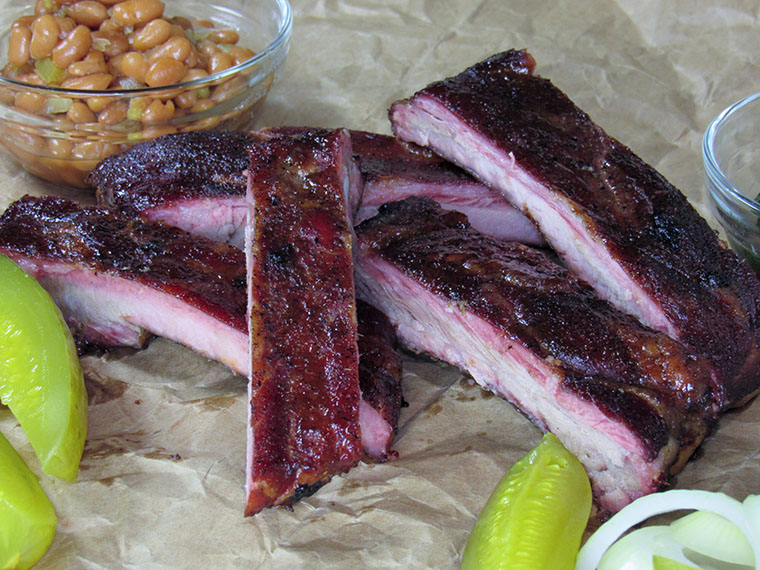
Pork ribs, though, have always had their own personality. They’re sweeter than beef, more forgiving, and practically built for spice blends. A good rib rub doesn’t just sit on the surface — it melts into the meat, mixes with the fat, and creates that bark everyone brags about. It’s the quiet hero of barbecue, the part people don’t see but absolutely taste.

That’s where my rib rub comes in. It’s built on the classic backbone of brown sugar, paprika, salt, and pepper — the foundation that gives ribs their color, sweetness, and savory punch. From there, the supporting cast steps in: garlic powder, onion powder, chili powder, and a touch of cayenne for heat that doesn’t overwhelm. Each ingredient has a job. The sugar caramelizes, the paprika adds color, the spices deepen the flavor, and the heat wakes everything up just enough to keep each bite interesting.

Rib rubs have always been about balance. Too much sugar and you burn the bark. Too much salt and you overpower the meat. Too much heat and you lose the crowd. My version hits that middle ground — bold enough to stand out, simple enough to let the ribs shine, and versatile enough to work whether you’re smoking low and slow or grilling hot and fast. It’s the kind of rub that makes people ask what you used, even though the ingredients are sitting right there in their own pantry.

Historically, rib rubs became popular because they made barbecue more consistent. Before thermometers, timers, and fancy smokers, cooks relied on seasoning to carry flavor even when the fire didn’t behave. A good rub could save a cookout, elevate cheap cuts, and turn backyard cooking into something worth repeating. Over time, pitmasters started guarding their rub recipes like treasure maps, each claiming theirs was the secret to perfect ribs.
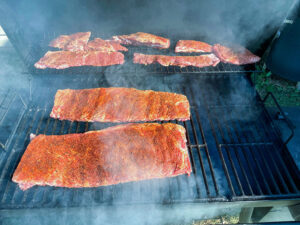
My rib rub doesn’t need secrecy — it needs ribs. Once it hits the meat, it starts working immediately. The salt pulls moisture to the surface, the sugar begins to melt, and the spices settle into every ridge and curve. As the ribs cook, the rub transforms into a crust that’s smoky, sweet, savory, and just a little spicy. It’s the kind of bark that makes you stop mid‑bite and appreciate the moment.
Pork ribs deserve a rub that respects their flavor, enhances their sweetness, and stands up to hours of smoke. In my kitchen, this rub does exactly that. It’s reliable, flavorful, and built for ribs that taste like they came from someone who knows what they’re doing — even if the smoker is just getting warmed up.
Check out my Sweet and Spicy Rub in the Shop