
If you dig into the history of Cajun and Creole cooking, you’ll eventually find a roux sitting at the center of almost everything, like the culinary version of a wise old storyteller. Roux came to Louisiana through French influence, but the locals quickly realized they could take this simple flour‑and‑fat mixture and turn it into something far more dramatic. Over time, Cajun cooks pushed roux darker and darker, chasing deeper flavor the way some folks chase the perfect cup of coffee. Eventually they reached the rich, bold stage known as chocolate roux — a name that promises sweetness but delivers pure savory magic.
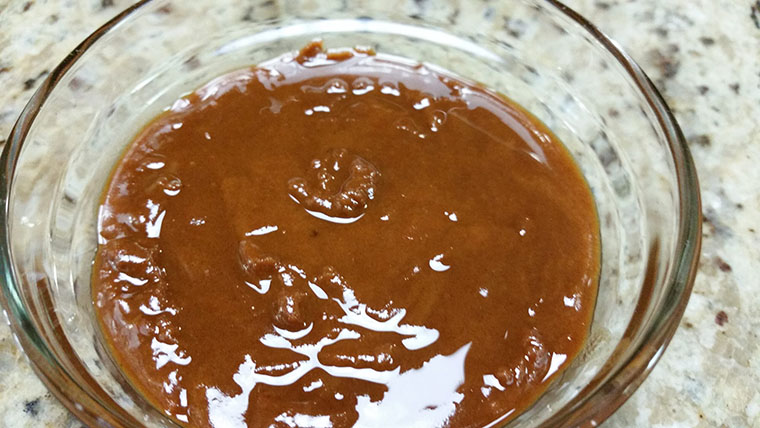
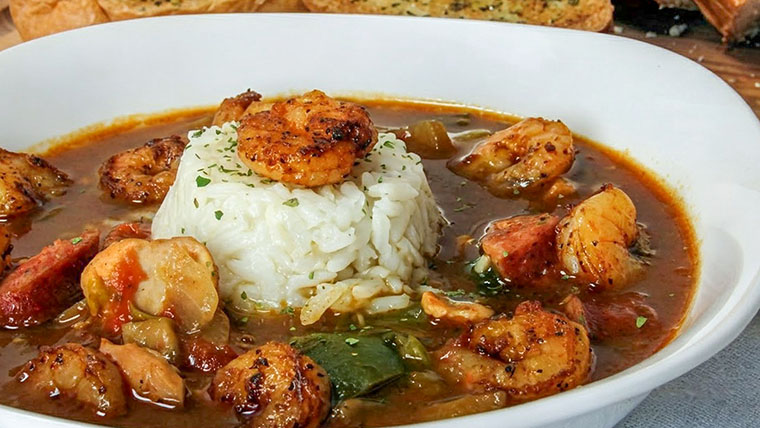
Chocolate roux isn’t actually made with chocolate, of course, but it earns the name honestly. As the flour browns and the oil heats, the mixture transforms from pale blond to peanut butter to caramel to a deep, glossy brown that looks like it belongs in a dessert but tastes like it belongs in a gumbo pot. This is the roux that gives gumbo its soul — the kind of flavor that makes people close their eyes for a second when they take the first bite.
Your Chocolate Roux recipe follows the same tradition Cajun cooks have relied on for generations: patience, heat, and unwavering commitment. Making a dark roux isn’t something you rush. It’s a slow, steady stir — the kind of cooking that demands your attention and rewards you for giving it. You start with oil and flour, and from the moment they hit the pan, you’re in it for the long haul. This isn’t a “walk away and check your phone” situation. This is a “stay right here unless you enjoy the smell of burnt regret” situation.
As the roux cooks, it goes through its famous color stages. First blond, then tan, then a warm brown that makes you think you’re close — but you’re not. Chocolate roux takes time. It’s the culinary equivalent of a trust exercise. You stir, you watch, you wait, and eventually the roux deepens into that dark, velvety shade that tells you it’s ready to bring serious flavor to whatever dish you’re making. Gumbo, étouffée, stews — they all depend on this moment.
Historically, Cajun cooks used dark roux because it added complexity without needing expensive ingredients. A well‑made chocolate roux tastes like it’s been simmering for hours even before you add anything to it. It’s smoky, nutty, rich, and bold — the kind of flavor that makes simple ingredients taste like they’ve been blessed by someone’s grandmother. And while lighter roux has its place, chocolate roux is the one that makes people brag about their gumbo like it’s a family heirloom.
Your approach captures everything that makes chocolate roux special. You heat the oil, add the flour, and commit to the stir. You watch the color shift, smell the aroma deepen, and know exactly when it hits that perfect shade. It’s a moment of quiet triumph — the kind of cooking victory that doesn’t need applause because the gumbo will handle that part later.
Chocolate roux may be simple in ingredients, but it’s mighty in personality. It’s the backbone of Cajun cooking, the foundation of countless dishes, and proof that sometimes the most powerful flavors come from the humblest beginnings. In your kitchen, it becomes more than a technique — it becomes a ritual, a skill, and a reminder that great food often starts with a single pot and a whole lot of patience.
Chocolate Roux Recipe
Chocolate Roux is used for thickening liquids and chocolate simply refers to the color of the roux. It’s not hard to make, you just can’t rush it.
Ingredients
- 2 cups Canola Oil
- 2 cups All Purpose Flour
Directions
- Step 1 Heat your oil in a pan over medium heat
- Step 2 Stir in the flour and continue to stir until your roux is a caramel color.
- Step 3 Chocolate Roux Recipe
- Step 4 Lower your heat to medium low and continue to stir until your roux is the color of dark chocolate.
- Step 5 Add the desired amount to your recipe and divide the remainder into small containers to freeze for future use.