
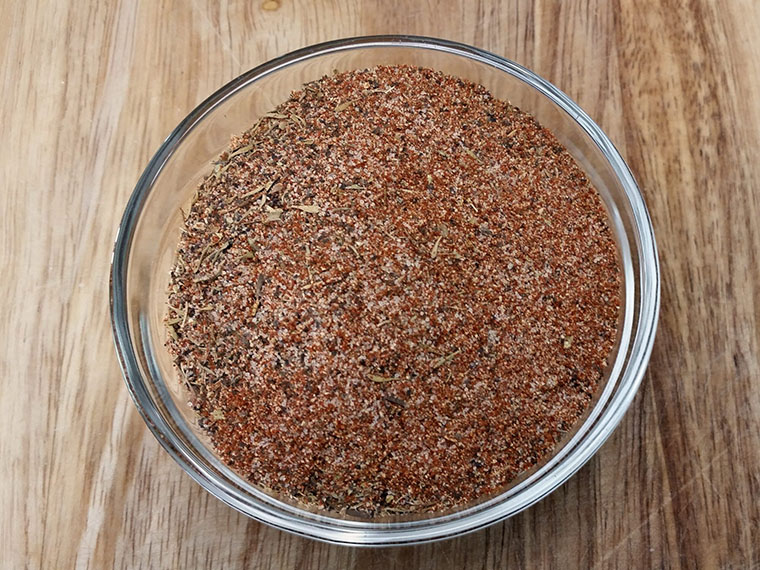
Blackened seasoning didn’t start as a trend or a marketing gimmick — it began as one of those happy culinary accidents that turned into a full‑blown movement. Back in the 1980s, Chef Paul Prudhomme introduced the world to “blackening,” a technique that involved coating fish in a bold spice blend and searing it so hot it practically announced itself. People tasted it, blinked twice, and immediately decided they needed more of whatever magic was happening on that plate. It was smoky, spicy, dramatic, and absolutely unapologetic — everything Cajun cooking is known for.
The seasoning itself grew out of Louisiana’s long tradition of bold flavors. Cajun cooks weren’t shy with spices, and they weren’t afraid of heat. They wanted food that tasted alive. Blackened seasoning became the perfect expression of that philosophy: paprika for color, garlic and onion for depth, herbs for balance, and cayenne for the kind of kick that reminds you you’re still breathing. It’s not subtle. It’s not gentle. It’s a seasoning that shows up ready to work.
Your Blackened Seasoning recipe fits right into that legacy. It’s a blend built for flavor, not fuss. You mix paprika, garlic powder, onion powder, oregano, thyme, cayenne, black pepper, and salt — simple ingredients that turn into something far bigger once they’re combined. Each spice brings its own personality: paprika gives the signature red hue, garlic and onion add savory backbone, herbs bring a little sophistication, and cayenne supplies the fire. Together, they create a seasoning that can transform chicken, shrimp, fish, or vegetables into something that tastes like it came straight out of a Louisiana kitchen.
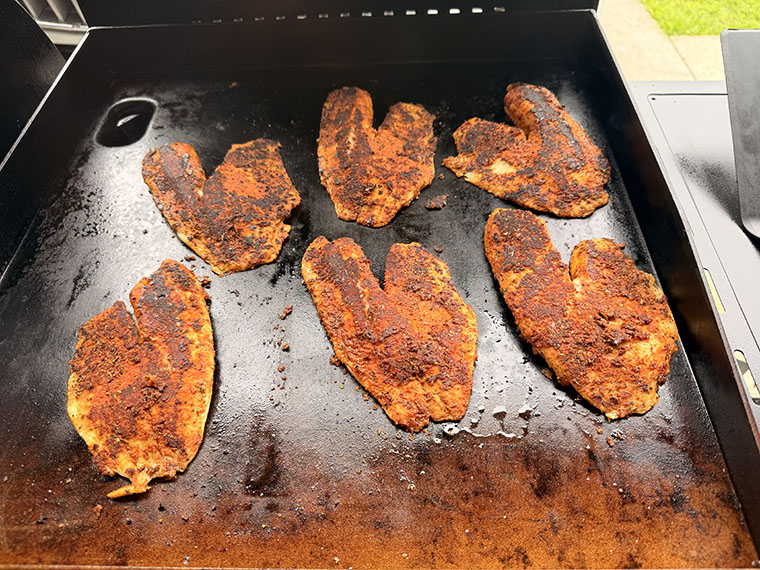
Blackening isn’t just about the seasoning, though — it’s about the technique. When you coat a piece of protein in this blend and sear it in a ripping‑hot pan, the spices toast, the edges char, and the whole thing develops a crust that looks intimidating but tastes incredible. Historically, this method was a way to add big flavor quickly, especially in busy restaurant kitchens. It gave cooks a way to turn simple ingredients into dishes that felt special without requiring hours of prep.
Your seasoning captures that spirit perfectly. It’s bold without being overwhelming, spicy without being punishing, and balanced enough to work on just about anything. Sprinkle it on shrimp before tossing them in a skillet, coat chicken breasts before grilling, or dust it over vegetables to give them a little attitude. It’s versatile, dependable, and the kind of blend that earns a permanent spot in the spice cabinet.
What makes blackened seasoning so beloved is its personality. It’s not trying to be fancy. It’s not trying to impress anyone. It’s just good — reliably, consistently, enthusiastically good. It brings heat, color, and flavor in a way that feels both rustic and refined. And once you start using it, you’ll find yourself reaching for it more often than you expect.
Blackened seasoning may have started in Louisiana, but it’s become a staple across kitchens everywhere. In your hands, it becomes a tool for building big flavor fast — a reminder that sometimes the best dishes come from simple ingredients treated with confidence. It’s bold, it’s smoky, and it’s ready to make whatever you’re cooking taste better.
Blackened Seasoning Recipe
This Blackened Seasoning is perfect for spicing up chicken, fish or beef.
Ingredients
- 3 tbsp Smoked Paprika
- 1 1/2 tbsp Salt
- 1 tbsp Garlic Powder
- 1 tbsp Onion Powder
- 2 tbsp Black Pepper
- 1 tbsp Ground Thyme
- 1 tsp Oregano
- 1 tsp Cayenne Pepper
Directions
- Step 1 Mix all ingredients together and store in an airtight container.